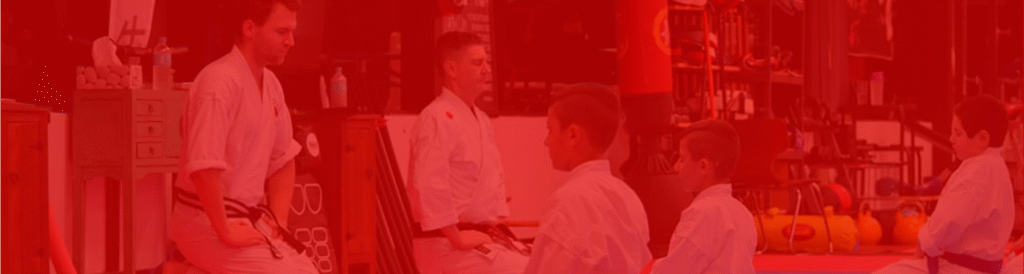
Why Confidence Isn’t Taught in Schools and How SHIRUDO RYU Hybrid Karate helps Build It
As parents, we all want our children to be confident.
We want them to believe in themselves, speak up when it matters, make good decisions, and have the courage to face challenges. Yet confidence is one of the most important life skills a child can develop, and unfortunately, it’s not something that is directly taught in most schools.
Schools do an incredible job of teaching academic subjects. They teach literacy, numeracy, science, history and many other valuable skills. But confidence is different. Confidence is developed through experience, challenge, failure, persistence and achievement.
It isn’t taught from a textbook.
It is built through doing.
Confidence Means Speaking Up
Many children know the answer in class but are afraid to raise their hand.
Others avoid trying new activities because they worry about making mistakes or being judged by their peers.
Confident children aren’t fearless. They simply learn to act despite feeling nervous.
In martial arts training, students are regularly encouraged to step outside their comfort zone. Whether it’s answering questions, demonstrating techniques in front of the class, leading warm-ups, or participating in grading examinations, they learn that speaking up and having a go is often far less scary than they imagined.
Over time, those small moments create lasting confidence.
Confidence Helps Children Handle Peer Pressure
One of the biggest challenges facing young people today isn’t physical bullying—it’s social pressure.
The pressure to fit in.
The pressure to follow the crowd.
The pressure to stay silent when something doesn’t feel right.
Children who lack confidence often seek approval from others because they don’t yet trust their own judgment.
Martial arts helps develop something incredibly valuable: self-belief.
When children work hard to achieve goals, earn new belts, and overcome challenges through their own effort, they begin to realise they don’t need constant validation from others.
They become more comfortable making decisions based on their values rather than the opinions of those around them.
Confidence Changes How Children Carry Themselves
Confidence isn’t always something you hear.
Often, it’s something you see.
You see it in posture.
You see it in eye contact.
You see it in the way a child walks into a room.
Martial arts teaches children to stand tall, make eye contact, communicate respectfully and carry themselves with purpose.
These simple habits have a powerful effect.
Research and real-world experience consistently show that confident body language can influence not only how others see us, but how we see ourselves.
When children learn to stand tall physically, they often begin standing taller emotionally as well.
Confidence Is Built Through Setbacks
Perhaps the biggest misconception about confidence is that it comes from winning.
In reality, confidence is built through overcoming challenges.
Every child will face setbacks.
They will make mistakes.
They will lose.
They will fail at things before they succeed.
The question isn’t whether setbacks will happen. The question is how they respond when they do.
Martial arts provides a safe environment where children learn that failure isn’t something to fear. It’s simply part of the learning process.
A technique doesn’t work? Try again.
A grading doesn’t go perfectly? Learn from it.
A challenge feels difficult? Keep showing up.
Each time a child works through adversity, their resilience grows.
And resilience is one of the strongest foundations of genuine confidence.
Building More Than Martial Artists
At SHIRUDO, our goal has never been simply to teach punches and kicks.
We use martial arts as a vehicle to develop confidence, discipline, resilience, respect and character.
Because one day, our students won’t remember every technique they learned.
But they will remember how it felt to believe in themselves.
And that confidence will stay with them long after they leave the training floor.
After all, confidence isn’t something that can be given to a child.
It’s something they build, one challenge at a time.
